Through global streaming platforms and viral anime openings, Japanese music is reaching unprecedented international audiences. Hits attached to iconic series regularly top global charts, bringing J-Pop and J-Rock into the worldwide mainstream. However, most overseas listeners only see a fraction of the picture, often viewing these world-class acts simply through the lens of “anime soundtrack performers.”
Writing directly from Japan, I track these artists within their native cultural context. In Japan, music is deeply tied to live venue history, domestic subcultures like Vocaloid and internet Utaite networks, and massive cross-generational media. Overseas coverage frequently misses these crucial roots, local audience dynamics, and the multi-dimensional talents of the performers.
This ongoing series brings together defining Japanese acts across rock, pop, and digital subcultures—offering a deeper look into the domestic history, cultural impact, and global developments that make each of them a major force in modern music.
Below are the featured artist guides currently available, with more in-depth profiles being added regularly to cover the expanding landscape of Japanese music.
Featured Artist Guides
1. YOASOBI: The Novel-to-Music Phenomenon
Beyond “Idol”: What Overseas Fans Miss About YOASOBI

- What Overseas Fans Know: Explosive global hits like “Idol” (Oshi no Ko) and “Racing Into the Night” (Yoru ni Kakeru).
- What You Missed: Their unique concept of “turning novels into music,” Ayase’s background as a Vocaloid producer, Ikura’s roots as an acoustic singer-songwriter, and their massive impact on reshaping how Japanese pop music is conceptualized and produced.
- Key Article Focus: How a storytelling unit conquered both domestic streaming charts and international festival stages while remaining rooted in literary adaptation.
2. Ado: The Anonymous Vocal Powerhouse
Beyond the Silhouette: What Overseas Fans Miss About Ado

- What Overseas Fans Know: Explosive vocals in “Usseewa”, soundtrack dominance in ONE PIECE FILM RED, and global arena tours.
- What You Missed: Her origins recording vocals inside a home closet as an internet Utaite, her defense of anonymous avatar culture, and her vocal versatility ranging from growls to opera-like control.
- Key Article Focus: How an anonymous bedroom singer transformed into a global stadium headliner without ever revealing her face.

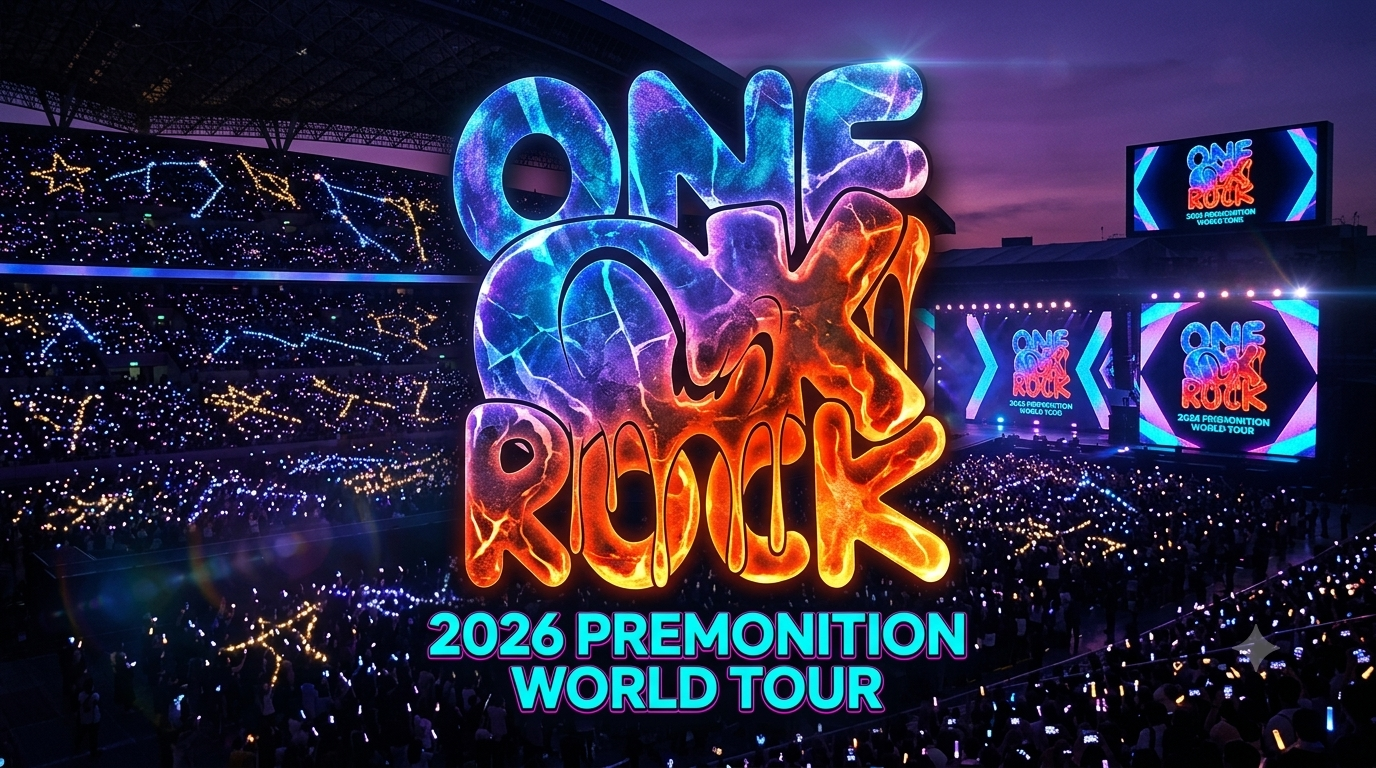
3. ONE OK ROCK: The Stadium Rock Empire
Beyond the Western Rock Scene: What Overseas Fans Miss About ONE OK ROCK

- What Overseas Fans Know: Explosive, Western-sounding alternative rock anthems and major international tours.
- What You Missed: Taka’s background in Japanese idol culture and celebrity vocal royalty, their status as headliners across Japan’s largest stadium circuits, and their unique dual strategy of releasing separate domestic and international album versions.
- Key Article Focus: Detailed breakdown of their cultural legacy through film soundtracks like Rurouni Kenshin and their global arena developments.
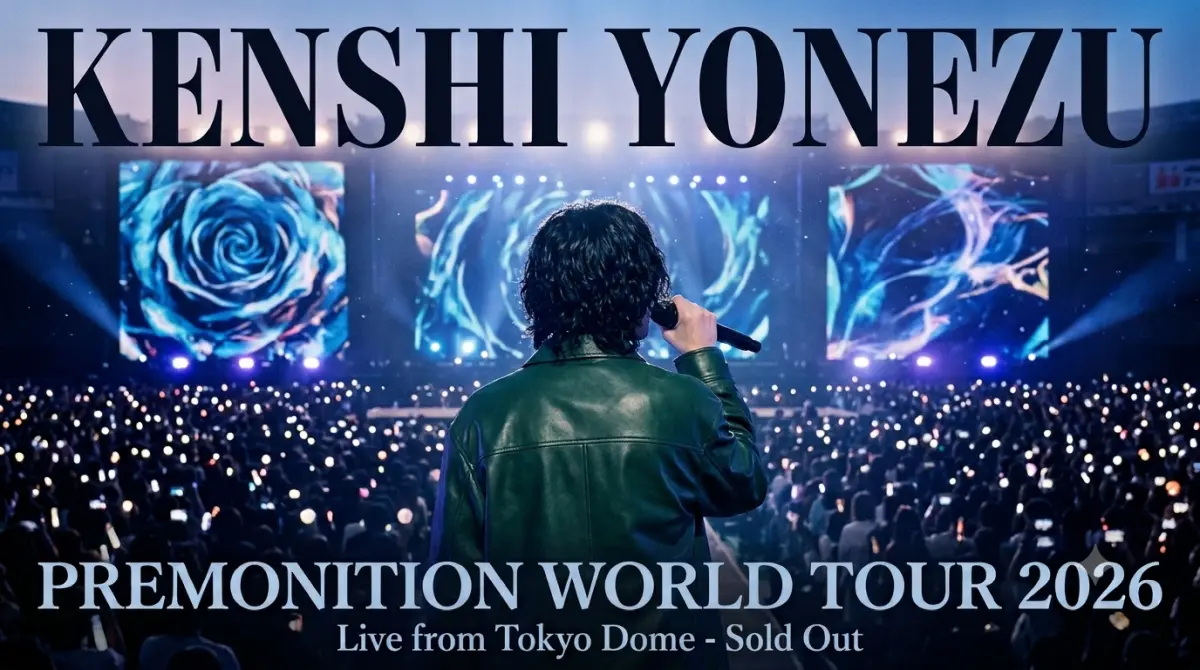
4. Kenshi Yonezu: The Genius Visual Auteur
Beyond Anime Themes: What Overseas Fans Miss About Kenshi Yonezu

- What Overseas Fans Know: Chart-topping anime tracks like “KICK BACK” (Chainsaw Man) and “Peace Sign”.
- What You Missed: His origin as the legendary Vocaloid creator Hachi, his historic record-breaking megahit “Lemon”, and his total self-production—drawing his own album covers and choreographing his music videos.
- Key Article Focus: His status as a national household singer trusted with Japan’s most prestigious broadcasting and film projects.
(More artist profiles are continuously being added to this hub. Check back regularly for the latest deep dives into Japan’s top musical talent.)
Frequently Asked Questions (FAQ)
Q: Why do Japanese artists release different content for domestic and global fans?
A: Japan maintains the second-largest physical music market in the world, where CDs, specialized fan club releases, and physical concert Blu-rays thrive. Artists tailor domestic releases for this established ecosystem while optimizing streaming, English lyrics, and international distribution for global audiences.
Q: How are internet cultures like Vocaloid and “Utaite” changing mainstream J-Pop?
A: Unlike Western pop industries driven primarily by traditional talent scouting, modern Japanese pop music is heavily shaped by digital self-publishing. Top solo artists frequently build massive fan bases independently online before ever signing with major record labels or mainstream media.
Q: Where is the best place to follow these artists’ latest announcements?
A: While international updates are shared via major streaming platforms, artists regularly post direct updates, concert ticket lotteries, and behind-the-scenes content on their official Japanese X (Twitter) accounts and official YouTube channels.
What’s Actually Trending in Japan — and Why It’s Happening